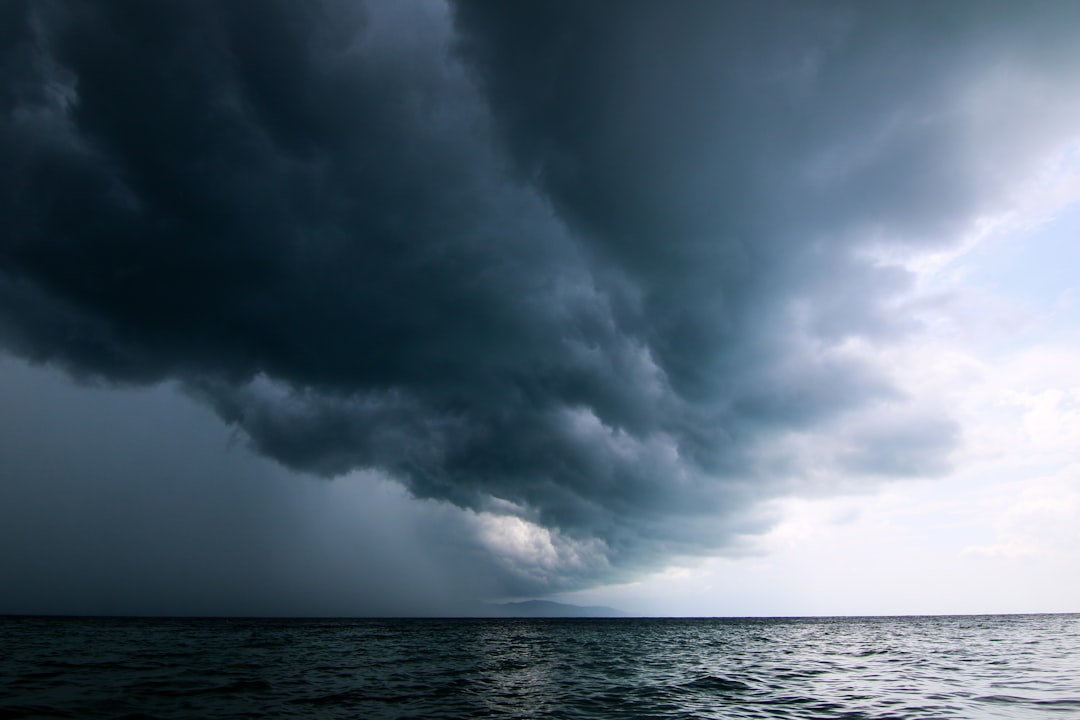
The sign outside the community center in Hatteras Village had been weathered enough that I almost missed it: a notice about an upcoming hurricane preparedness forum, hosted by a coalition of county emergency management folks and a couple of insurance reps. A neighbor at the marina told me turnout was better than last year. That’s not nothing, because the people who live and work on that island take this stuff seriously in a way that’s hard to explain to someone who’s only ever seen the Outer Banks in August, with a cold drink in hand and the waves looking friendly.
If you’re buying property in Hatteras, Frisco, Avon, or anywhere else along the southern end of Hatteras Island, that forum is worth your Saturday morning. But the forum is the beginning of your education, not the end of it.
Why a Forum Specifically About Hatteras Matters
Dare County runs emergency management programming across the whole Outer Banks, but Hatteras Island sits in a different category of exposure. You’ve got 70-plus miles of barrier island with one primary road — NC-12 — connecting you to the rest of the world, and that road regularly floods, washes out, or gets cut entirely during a significant storm.
When Oregon Inlet closes or NC-12 takes a hit at Pea Island, Hatteras Island is effectively cut off. That’s not dramatic language. That’s just the geography. I’ve sailed past the inlet enough times to have a healthy respect for what that stretch can do in a northeast blow.
The forum typically covers evacuation timing, shelter-in-place decisions, and the county’s contraflow planning — all useful. What it sometimes underemphasizes is how the physical reality of being on a sandbar shapes every financial decision you’ll make as an owner.
The Insurance Conversation Nobody Starts Early Enough
Here’s the number that stops buyers cold: flood insurance premiums on Hatteras Island can run anywhere from roughly $1,800 to well over $6,000 annually depending on the structure’s elevation, its flood zone designation, and whether the policy is through the NFIP or a private carrier. Those figures are current as of my last check and worth confirming with a local agent before you close, because the FEMA flood maps for Dare County have been updated multiple times in recent years and your seller’s current premium is not necessarily your future premium.
Don’t close on a Hatteras property without pulling the current elevation certificate. Not the one from 2011. The current one.
Beyond flood, you’ll be looking at:
- Wind coverage: Separate from flood and homeowner’s in most cases; North Carolina’s Beach Plan (NCJUA) covers high-risk coastal properties the standard market won’t touch
- Named storm deductibles: Often 2–5% of insured value rather than a flat dollar amount — on a $600,000 cottage, that’s $12,000 to $30,000 out of pocket before coverage kicks in
- Contents and loss-of-use coverage: If you’re using the property as a vacation rental, understand exactly what happens to your income stream if the house is uninhabitable for a season
The forum will have an insurance rep. Ask them to walk through the Beach Plan specifically. Most buyers from inland have never heard of it.
What the Physical Structure Needs to Tell You
Before you start thinking about forum panels and county protocols, the house itself has to pass a harder test.
A well-built Hatteras home from the 1990s or later will typically be elevated on pilings, with mechanical systems above base flood elevation, hurricane straps on the roof framing, and impact-resistant glazing or storm shutters. A 1970s cottage that’s been “updated” with cosmetic renovations might have none of that underneath the fresh paint.
Ask your inspector specifically about:
- Piling condition — corrosion, checking, whether they’ve been sistered
- Roof-to-wall connections — hurricane straps or clips, not just toe-nails
- Window and door ratings — impact glass or shutter hardware
- Electrical panel and HVAC elevation relative to the BFE on the current certificate
- Any history of storm damage claims — pull this from the NFIP loss history if the property has had flood claims
A place I looked at near Avon a couple years back had beautiful new hardwood floors. Lovely kitchen. The pilings hadn’t been touched since Gerald Ford was president and two of them had checking so bad you could fit a quarter in the gap. The listing agent called it “a little cosmetic work.” I called it a different thing.
Evacuation Is a Financial Decision, Not Just a Safety One
Buyers from the Triangle or Charlotte often think about Hatteras Island as a beach house that they’ll evacuate if a storm gets serious. That’s the right instinct. But the timing matters more than most people realize.
Dare County issues mandatory evacuation orders for Hatteras Island early — sometimes 48 to 72 hours before landfall — because getting 50,000 tourists and residents off a barrier island through one road and one bridge takes time, and the county has learned from watching that process go wrong.
If you’re a vacation rental owner, your management company will have protocols for guest evacuation. Know those protocols before you sign the management contract, not after your first hurricane season.
The practical point: if you’re planning to ride out the storm because “it’s only a Category 1,” understand that the county may make that decision for you, and non-compliance carries real consequences — including the possibility that emergency services won’t reach you until well after the storm passes and the road reopens.
What to Actually Do Before (or Right After) the Forum
Attending the forum is a good move whether you’re a current owner or a buyer under contract. Go with specific questions. The generic presentation will cover the county’s plan. What you need is to understand your specific parcel.
After the forum — or instead of waiting for it if your closing is soon — here’s the practical sequence:
- Get the current FEMA flood map panel for your parcel at msc.fema.gov and verify the zone designation yourself
- Order a current elevation certificate from a licensed surveyor if the seller can’t produce one dated within the last few years
- Call the Dare County Building Inspections office and ask about any open permits or documented storm damage repairs on the property
- Talk to a Hatteras-based property manager, even if you don’t plan to rent, because they’ve seen more post-storm damage assessments than most inspectors
- Read the Dare County Hazard Mitigation Plan — it’s publicly available, it’s dense, and the sections on Hatteras Island specifically are worth your time
The forum is a good starting point, and the fact that the community shows up for it is itself a sign that Hatteras takes this seriously. But the best preparation is the kind you do before the first cloud appears on the horizon — not when the cone is already pointed at the Cape.