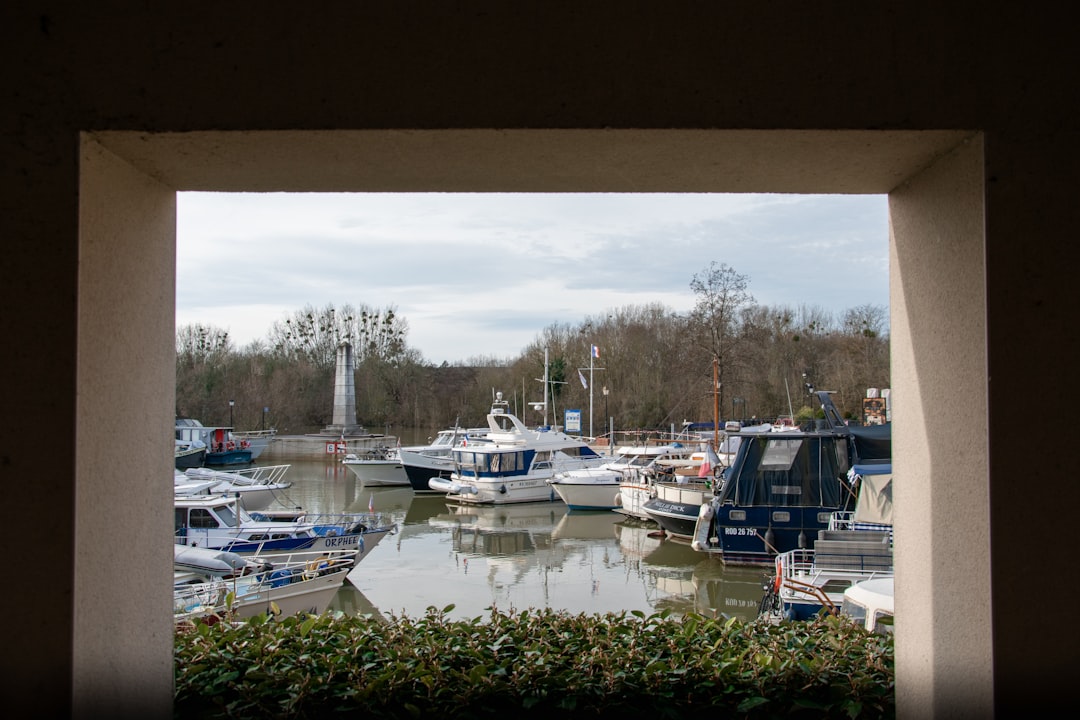
When a dock gets knocked down by a storm — not damaged, knocked down — the rebuild process used to feel like starting from scratch on a boat you already owned free and clear. Same footprint, same pilings, same use, but the paperwork treated it like new construction. NOAA has formally approved an exemption to that process for North Carolina dock rebuilding, and if you own waterfront property anywhere from the Brunswick County marshes up through the Outer Banks, you need to understand what changed, what it actually covers, and where the limits are.
What the Exemption Does
The formal approval creates a streamlined pathway for waterfront property owners to rebuild storm-damaged or destroyed private docks without triggering a full Section 10/404 permitting review under the Rivers and Harbors Act and Clean Water Act — provided the rebuild meets specific conditions. Think of it as a navigational buoy that marks the safe channel: you can move quickly through it, but only if you stay between the markers.
The general conditions, as I understand them from the current approval, include:
- The structure must be rebuilt to the same or smaller footprint as the pre-storm dock
- The rebuild must occur within the same location — lateral shifts to avoid a silted-up channel, for example, likely won’t qualify
- The original structure must have been legally permitted before the damage or destruction event
- The work must be completed within a reasonable window from the storm event (worth confirming the specific deadline with the Army Corps Wilmington District, as timelines can vary)
- No new fill in navigable waters beyond what was authorized previously
This last point matters more than it sounds. Dock owners who lost structures during Matthew or Florence and then discovered their footings had drifted due to shoaling may find the exemption harder to use cleanly. Shoaling and navigation changes along the NC coast have shifted the bottom in ways that complicate any “same location” determination.
Why This Matters to Buyers and Sellers Right Now
A dock adds real value — last I checked, a permitted, functional dock in Carteret County or the Pamlico Sound communities adds somewhere in the neighborhood of $30,000 to $80,000 to a waterfront property’s asking price, depending on water depth, dock length, and condition. That’s a wide range, I know. The point is it’s not trivial.
The problem buyers have run into — especially after back-to-back storm seasons — is purchasing a waterfront lot with a permitted dock in the listing, only to discover the dock is a damaged wreck and the rebuild permit is in regulatory limbo. Under the old framework, some of those owners had been waiting eighteen months or more to get a rebuild permit finalized. The exemption collapses that timeline significantly for qualifying structures.
If you’re buying waterfront property with a damaged dock, get documentation of the original permit. Ask for the CAMA permit number (North Carolina’s Coastal Area Management Act permits the dock through the state’s Division of Coastal Management before any federal overlay kicks in) and verify that the pre-storm structure was fully permitted and legally built. The exemption does nothing for you if the previous owner built beyond their permitted footprint fifteen years ago and hoped no one would notice.
What’s Still Required — Don’t Confuse “Exemption” with “No Process”
This is where some buyers are going to overread the news. The NOAA approval streamlines federal review, not state review. North Carolina’s Division of Coastal Management still requires a permit for dock reconstruction, and for most coastal counties, that means navigating the CAMA major or minor permit process, depending on scope. The state’s Critical Area setbacks and estuarine shoreline rules don’t pause because the federal pathway got easier.
A practical checklist before assuming the exemption applies to a specific property:
- Confirm the original dock was CAMA-permitted — pull the permit number and verify it’s in the DCM system
- Document the pre-storm footprint — survey, photos, permit drawings, anything that establishes the original dimensions
- Check for shoaling or channel shifts since the original permit was issued, especially in Pamlico Sound, the Neuse River, or any ICW-adjacent slips
- Confirm the rebuild deadline with the Army Corps Wilmington District — as of my last check this was an active point of clarification
- File with DCM before breaking ground — the state process runs parallel and you need both lanes clear
Safety considerations around dock placement relative to navigable channels are also worth a separate look if you’re on a busy waterway. The debate over dock extensions beyond established pierhead lines is live in several communities right now and touches adjacent questions about what a “same footprint” rebuild actually means when the rules around pierhead lines have evolved since the original permit.
The Insurance and Cost Reality
Rebuilding a dock isn’t cheap, with or without a streamlined permit. A modest floating dock with a boat lift in Oriental or Beaufort is going to run somewhere between $40,000 and $90,000 depending on materials, water depth, and contractor availability — and contractor availability on the NC coast after a major storm event is its own problem. Get multiple quotes and expect lead times.
On the insurance side: most homeowner’s policies exclude boat docks from dwelling coverage. A separate marine or boat dock endorsement, or a private flood policy that explicitly covers fixed structures in water, is what actually pays out when a storm takes the dock. North Carolina home insurance costs are up nearly 47% since 2020, and dock coverage is one of those line items that gets quietly removed when carriers tighten underwriting. Review your policy language before you assume the rebuild would be covered.
Also confirm your NFIP policy specifics if the dock has any portion on land — the coverage boundary between structures in the water and structures on the shore is not always where homeowners expect it to be.
Your Next Move
If you own a waterfront property in North Carolina with a damaged dock, or you’re under contract on one, pull the original CAMA permit this week. It’s a public record and the DCM has a searchable database. That single document tells you whether you’re inside the exemption’s lane or outside it. If the dock was permitted properly and the footprint is documented, you may have a much shorter path to a rebuilt structure than owners did two years ago. If the permit history is murky, figure that out before closing — not after.