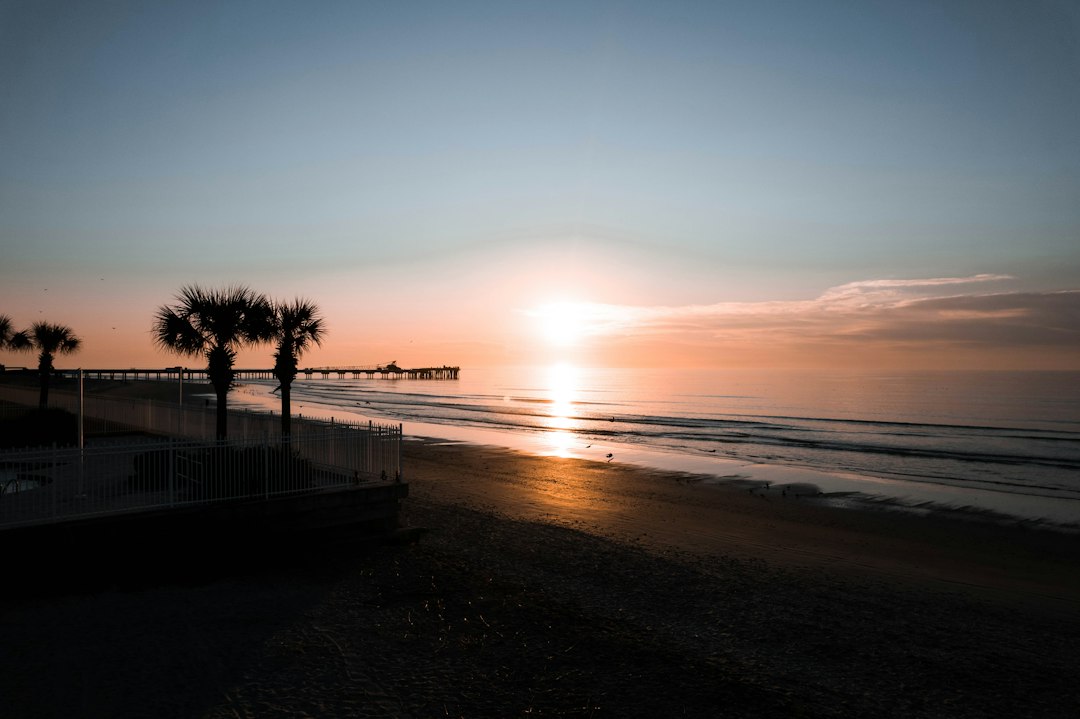
On a quiet stretch of Brunswick County coastline, more than 8,000 gallons of untreated wastewater spilled into the waterways near Sunset Beach. Not a slow drip over months. A single event. The kind that triggers a state notification, a no-contact advisory, and a flurry of phone calls between Brunswick County officials, NCDEQ, and whoever happens to own waterfront on the affected reach.
If you’re buying in Sunset Beach — or already own there — you need to understand what a spill like this actually means, not just for the week it happened, but for the longer questions it raises about infrastructure, insurance, and what kind of coastal ecosystem you’re actually buying into.
What Actually Happens During a Wastewater Spill
Raw or partially treated sewage hits the water. It carries bacteria — fecal coliform, enterococcus — along with elevated nitrogen and phosphorus loads that can feed algae blooms for weeks after the event is technically “resolved.”
State regulators issue a no-contact advisory, usually covering swimming and shellfish harvest. In Brunswick County, that often means the ICW frontage, the tidal creek fingers, and the shell raking areas that some of the older residents have used for generations. Sunfish, blue crab, oyster beds — all of it goes off limits until water quality testing clears. Last I checked, clearance timelines in North Carolina run anywhere from a few days to several weeks depending on tidal flushing, water temperature, and the volume of the original discharge.
Sunset Beach sits on the Intracoastal Waterway, with tidal creeks threading behind it in a way that doesn’t flush fast. This is not open ocean with a two-knot current sweeping things south. Water moves slowly through those back channels. That matters.
Why Buyers and Sellers Both Need to Pay Attention
The property implications run in a few directions.
For buyers under contract: A spill event during your due diligence window is reason to slow down and ask questions, not panic — but also not ignore it. Request documentation from the seller and from Brunswick County utilities on the cause: was this a line break, a pump station failure, a capacity overrun? Those aren’t equivalent risks. A one-time line failure that’s been repaired is different from a system that’s been running at capacity and flagged for upgrades that haven’t been funded.
For sellers: Disclosure requirements in North Carolina are fairly specific. If the event affected your property’s access to shellfish harvest, a community dock, or a tidal creek you’ve been marketing as part of the lifestyle — that has to be disclosed. Don’t assume the advisory being lifted means the conversation goes away.
For waterfront owners with rental income: An advisory during summer rental season in Sunset Beach is a direct hit. Renters expect water access. If you can’t deliver it, you’re looking at cancellations, refund negotiations, and a headache that outlasts the spill itself.
The Infrastructure Question Behind the Spill
Events like this don’t happen in a vacuum. Brunswick County has been dealing with rapid growth pressure from multiple directions — new residential developments, seasonal population spikes, and infrastructure that was built for a different demand profile.
Sewer infrastructure constraints along the Carolina coast aren’t unique to Sunset Beach. The same dynamics are playing out in Surf City, where sewer limitations have already stopped a hotel project in its tracks. What’s notable here is that Sunset Beach is a small, tightly bounded island community. There’s limited room to expand treatment capacity, limited room to reroute lines, and significant regulatory complexity around any construction near tidal wetlands.
Before you close on anything in this corridor, I’d want to see:
- The NCDEQ spill report — the actual filed document, not a summary
- A current map of the municipal sewer system relative to the property you’re considering
- Any capital improvement plans Brunswick County has filed for the affected system
- Confirmation of whether the property is on municipal sewer or has an onsite septic system (different risk profile entirely)
- Water quality monitoring results from the nearest shellfish harvest area, post-clearance
That fifth item is one most buyers skip. Don’t.
What This Means for Waterfront Value — Honestly
A single spill event, properly remediated and documented, doesn’t crater property values in a market like Sunset Beach. The demand is real, the inventory is tight, and buyers have short memories if the water looks clear by the time they’re touring the property.
What does matter longer term is pattern. One spill is an incident. Two in three years is a system with a problem. If Brunswick County’s infrastructure is being stretched by the wave of new development proposed for this part of the county — and there’s significant development pressure already building in the broader area — the frequency of these events is worth watching.
Flood insurance and homeowners insurance premiums are already climbing across Brunswick County, and underwriters are paying attention to environmental events. Last I checked, wind and flood deductibles on Sunset Beach waterfront ran anywhere from 2% to 5% of insured value — on a $700,000 property, that’s a $14,000 to $35,000 out-of-pocket exposure before your policy pays a dollar. A degraded coastal water quality reputation doesn’t help that picture.
There’s also the shellfish harvest angle, which sounds niche until you’re trying to sell to a buyer who specifically wanted a waterfront property with legal access to the creek. Water quality issues across South Carolina and North Carolina’s coastal waterways have been trending in the wrong direction for years — spill events like this one don’t help.
What to Do Next If You’re In This Market
Call the Brunswick County Utilities department directly and ask for the spill report. Ask when the no-contact advisory was lifted and what testing confirmed clearance. If you’re represented by an agent, ask them to pull the NCDEQ spill notification from the state database — it’s public record.
If you’re under contract on a property within a half mile of the affected system, this is worth a conversation with your real estate attorney before you move past due diligence. Not to kill the deal — just to make sure you’re walking in with clear eyes about what you’re buying and what the surrounding infrastructure can reasonably support.
Sunset Beach is a good place. I’ve anchored off it more than once. But good places deserve honest accounting, and right now the honest accounting includes a wastewater system that had a significant failure and a county that’s being asked to absorb a lot of growth in a short amount of time.