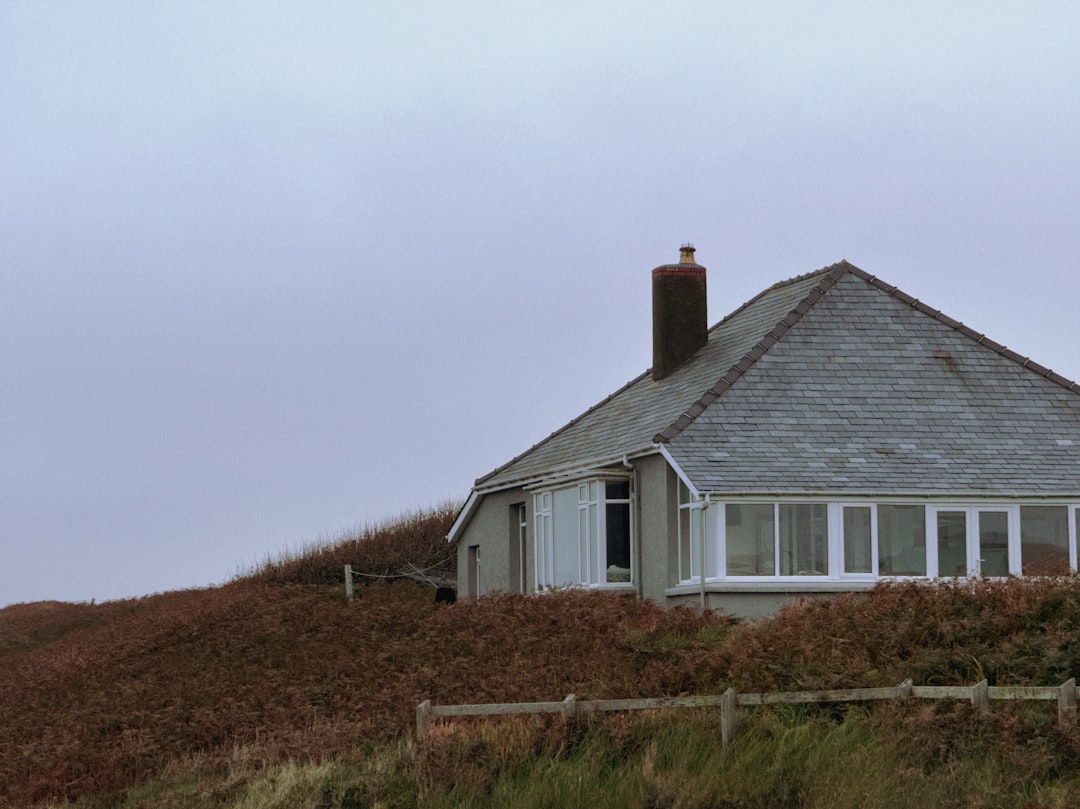
The Coastal Resources Commission had a decision to make about oceanfront septic systems. They didn’t make it. If you’re under contract on a house in Rodanthe, Avon, or anywhere else along NC 12 with an aging waste system and an eroding dune line between it and the Atlantic, that delay is not an administrative footnote — it’s a variable you need to account for before closing.
What the CRC Was Deciding, and Why It Stalled
The commission had been working toward new rules governing septic systems on oceanfront and near-oceanfront lots — specifically how close those systems can be to the water, what happens when erosion brings the shoreline closer to a system that was permitted legally years ago, and whether existing homes should have to upgrade or relocate infrastructure that now sits in a position the rules wouldn’t allow for new construction.
New questions arose late in the process. That’s the official framing. What it usually means in practice is that the technical record got complicated — modeling assumptions got challenged, public comment surfaced data points the staff hadn’t fully incorporated, or members of the commission themselves started asking questions the existing staff analysis couldn’t cleanly answer.
I’ve watched regulatory processes like this stall before. The CRC had already taken up septic and NC 12 protections in earlier meetings — if you want context on where things stood before this latest delay, the Day 1 of Coastal Resources Commission meeting focuses on septic rules, NC 12 protection entry covers the groundwork. The short version: this has been building for a while, and a delay now doesn’t mean the issue goes away.
What Regulatory Uncertainty Does to Property Value
Here’s the honest answer: it depends on which side of the eventual rule you’re on.
If the CRC ultimately tightens the setback requirements or mandates that non-conforming systems be relocated when shoreline erosion crosses a certain threshold, owners of older oceanfront homes with systems close to the beach face two potential outcomes — costly retrofits, or a property that becomes harder to sell because future buyers can see the liability coming.
If the rules end up more lenient, or if a grandfather clause protects existing systems until point of sale or renovation, the near-term impact is lower. But “lower” isn’t “zero.” Buyers doing their due diligence will still ask about system age, last inspection date, and how much dune buffer remains between the drain field and mean high water.
Worth confirming with your attorney and inspector: as of the current regulatory environment, North Carolina does not require a septic inspection at resale the way some states do. That puts the burden on the buyer to order one. I’d call that burden an opportunity — don’t skip it.
The Practical Due Diligence Checklist for Oceanfront Septic
Before you close on any oceanfront or near-oceanfront property in a place like Buxton, Salvo, or Frisco, you want answers to the following:
- Pull the septic permit and as-built. The permit tells you when the system was installed, what it was sized for, and where the drain field sits relative to the property line and the water.
- Request a current inspection from a licensed OWTS contractor. Not just the standard buyer inspection — a specialist who can assess whether the system is functioning and whether its location is going to become a problem.
- Check the most recent CAMA setback map. Shoreline position changes, and so does the distance between your drain field and the regulatory line. The N.C. Coastal Resources Commission to revisit NC 12 protections, septic systems entry has more on how those maps interact with the rule discussions currently underway.
- Ask the county environmental health office if any notices of violation or repair orders exist on the property. This is public record and often not disclosed unless you ask directly.
- Factor repair or replacement cost into your offer. A full septic system replacement on a tight oceanfront lot — especially one with poor soil profile or high water table — can run $15,000 to $40,000 or more, last I checked, depending on system type and site conditions.
Insurance Doesn’t Cover What You Think It Does
A standard homeowner’s policy won’t cover septic system failure in most cases. Some policies offer limited coverage for sudden and accidental damage, but a system that has degraded over time, or one that fails because erosion compromised the drain field, is typically excluded. Riders exist, but they vary widely by carrier and aren’t always available for properties in high-risk coastal zones.
This connects to a broader point worth sitting with: North Carolina home insurance costs are already up nearly 47% since 2020, and adding a septic liability to a property that’s already expensive to insure is the kind of thing that turns a beach house from an asset into a recurring problem.
What the Delay Actually Means for Timing
If you’re buying now, the CRC delay gives you a window — but it’s not a wide one. When the commission does reconvene and issue a decision, new rules could take effect with a compliance timeline that’s shorter than it sounds, especially if the property is in an area identified as high-erosion. Brunswick County beaches, the northern Outer Banks, and the Cape Hatteras corridor are all places where this conversation has immediate relevance.
Don’t try to time the regulatory calendar. Do your inspection now. Order the elevation certificate. Get the septic evaluated by someone who knows what they’re looking at on a lot with fifteen feet of dune between the back deck and the high-water mark.
That’s the move. Everything else is watching the weather without checking the forecast.