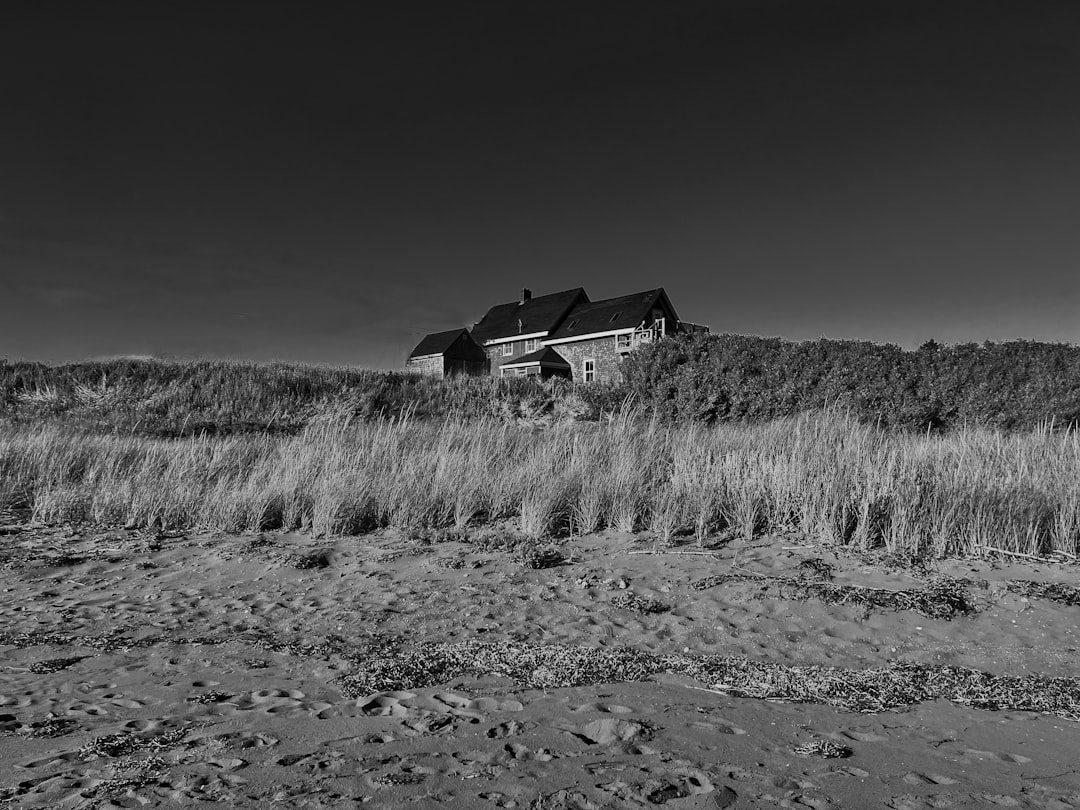
The N.C. Coastal Resources Commission doesn’t usually generate much conversation at the marina. But when the CRC announces it’s revisiting N.C. 12 protections, oceanfront septic rules, and hardened structures like bulkheads and revetments — all in the same meeting cycle — buyers and owners from Corolla down to Ocracoke need to pay attention.
The Manteo meeting isn’t a formality. These are the people who draw the lines that determine what you can build, how close you can build it, and in some cases whether a septic system that’s worked fine for twenty years will be allowed to stay where it is. The decisions that come out of this process ripple directly into property values, insurability, and transaction timelines.
N.C. 12 and What “Protection” Actually Means on Paper
N.C. 12 is the only paved lifeline running the length of the Outer Banks — Cape Hatteras National Seashore to Nags Head, through Oregon Inlet, down through Rodanthe, Waves, Salvo, Avon, Buxton, Frisco, and Hatteras Village. When it floods or washes out, the islands don’t just lose a road. They lose access to the ferry at Hatteras, access to medical care, and access to the rental market that most property owners in those villages depend on.
The CRC’s revisitation of N.C. 12 protections is about how coastal development rules interact with the corridor’s long-term survival. That means setback distances, dune disturbance limits, and what happens when the shoreline migrates landward — which it is doing, has been doing, and will keep doing regardless of what any commission decides.
Worth confirming current specifics, but setbacks from the first line of stable vegetation on oceanfront lots in the Hatteras Island area have historically ranged from 60 to 120 feet depending on lot depth and the applicable erosion rate for that segment of shoreline. If the CRC tightens those rules, you may find that a parcel that looks buildable on the tax map becomes effectively unbuildable under the new standards. I’ve seen that happen, and there’s usually no refund when the rule changes after you’ve closed.
Septic in the Setback: More of a Problem Than It Sounds
Septic systems on oceanfront lots occupy some of the trickiest regulatory real estate on the coast. They have to be set back from the mean high-water line. They have to be above certain soil profiles. And they have to function in a place where the water table on Hatteras Island can be closer to the surface than the depth of a decent cooler.
If the CRC revises the rules around oceanfront septic placement — either tightening setbacks or adding new performance requirements — the effect on existing systems could range from “get it inspected and document compliance” to “you’ll need to replace or relocate this before the next transfer.” Neither outcome is pleasant to discover mid-transaction.
Before you make an offer on any oceanfront property on Hatteras Island, ask specifically about the septic permit, the system location relative to the current setback lines, and whether there have been any notices from the county health department. The Dare County Health Department handles those permits locally, and Dare County’s flood inundation mapping tools can help you visualize which parts of a lot are most at risk from the kind of chronic inundation that destroys drain field function over time.
Hardened Structures: The Revetment Debate Hasn’t Settled
North Carolina has historically been more restrictive about hardened oceanfront structures than most Atlantic states. Terminal groins, bulkheads, revetments, sandbag installations — these have all been points of contention between property owners who want to protect what they have and coastal scientists who argue that hardening one section of shoreline accelerates erosion on adjacent parcels.
The CRC revisiting this question is not a small thing. If the commission loosens restrictions on hardened structures, you can expect a wave of applications from oceanfront owners who’ve been waiting. If it tightens them, properties that currently have sandbag revetments or rock installations may face a harder path to renewing those permits — or may be told the structures need to come out on a specific timeline.
Either direction has pricing implications. The history of shoreline engineering at Buxton Beach is worth reading if you want a ground-level sense of how these decisions play out over decades, not just on the date the permit gets issued.
What Buyers Should Be Checking Right Now
If you’re under contract or actively shopping on Hatteras Island — or anywhere along the Outer Banks oceanfront — this meeting cycle is worth tracking before you close. Here’s a practical checklist:
- Pull the current CAMA permit file for any structures on the property, including any hardened shoreline installations
- Confirm the septic permit location relative to current and proposed setback lines — ask the listing agent for the permit documentation, not just a verbal confirmation
- Check the current erosion rate for that specific shoreline segment through the N.C. Division of Coastal Management; last I checked, rates for parts of Rodanthe ran above 4 feet per year
- Verify flood zone designation and whether the property would remain insurable if setback rules shift the buildable envelope
- Ask whether any existing structures are nonconforming under current CAMA rules — a structure that was legal when built but doesn’t meet current setbacks may have limited options for repair or expansion after storm damage
- Watch the CRC meeting outcomes and request a follow-up review from your attorney if any of the three areas under discussion — N.C. 12 protections, septic, or hardened structures — directly apply to your property
North Carolina home insurance costs have already risen nearly 47% since 2020, and regulatory changes that increase perceived risk on oceanfront parcels are not going to help that number trend back down. If the CRC tightens anything significant, expect the insurance market to notice before the ink is dry.
The CRC meeting in Manteo is the kind of thing that gets announced in a press release and forgotten by most people until the new rules show up in a permit denial six months later. That’s too late to factor it into your offer. Read the agenda before you close, not after.