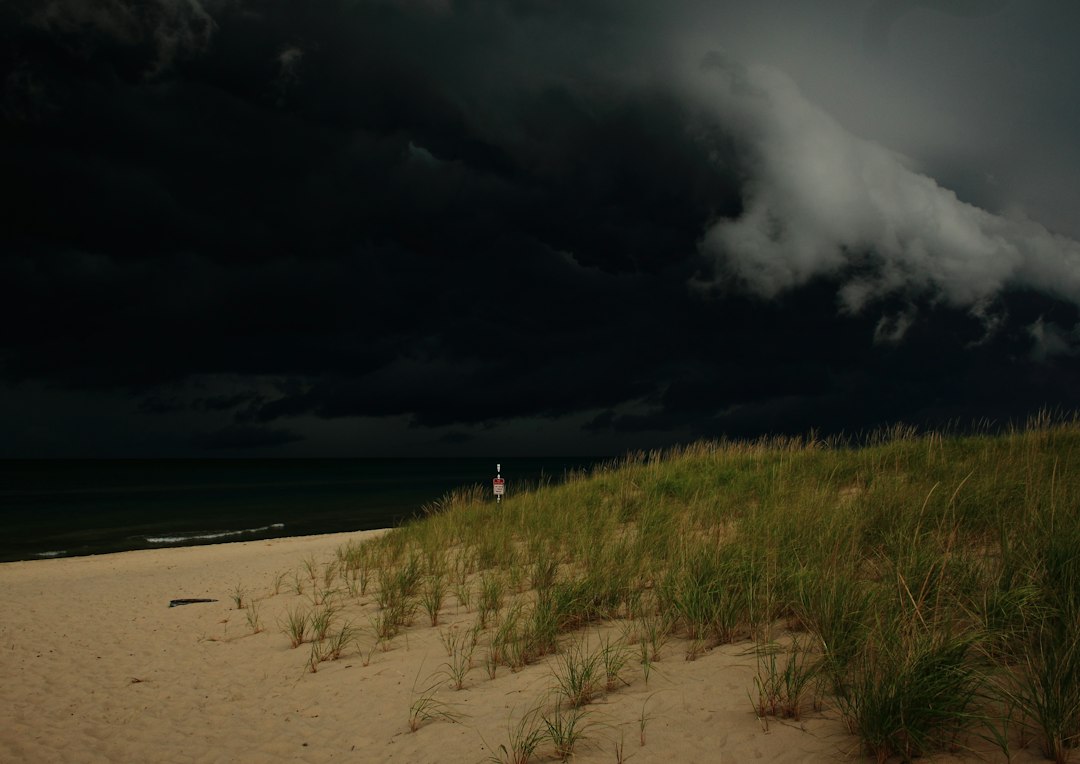
When NCDOT puts out a warning that N.C. 12 is about to close and beach nourishment operations are pausing because a storm is moving up the coast, most people read that as a traffic headline. If you own property on Hatteras Island — or you’re actively trying to buy some — you should read it as a balance sheet update.
I’ve run charters out of Hatteras Village and anchored off Ocracoke more times than I can count. I have a lot of affection for that stretch of barrier island. I also have no interest in sugarcoating what a road closure and a nourishment pause mean for the people whose investment depends on that road staying open and that sand staying put.
What NCDOT’s Warning Actually Tells You
A closure warning on N.C. 12 isn’t a precaution. It’s a pattern. NCDOT has issued these warnings repeatedly over the past decade — overwash events near Rodanthe, flooding near the S-curves south of Salvo, storm surge pushing across the flat sections between Avon and Buxton. When they say a storm is approaching and they’re pre-positioning for closures, they’re drawing on a history of exactly that happening.
The more significant detail in a warning like this is usually the beach nourishment pause. Nourishment projects — like the ongoing work in Buxton — don’t stop and restart without consequence. Equipment gets repositioned or secured, schedules slip, and the sand that was supposed to be protecting the road corridor and the oceanfront lots adjacent to it doesn’t get placed on time. Buxton beach nourishment project nears halfway mark — but “halfway” is a fragile number when a storm rolls through before the second half goes in.
A property whose elevation certificate reflects a post-nourishment beach profile looks different than one that’s now exposed because the dredge pipe got pulled early.
The Closure Risk and What It Does to Your Rental Income
If you’re buying on Hatteras Island as an investment — and most buyers out there are, at least partly — then N.C. 12 is your supply chain. Close the road and your guests can’t get in. Can’t get in means they cancel or rebook, which means your gross rental revenue for that week evaporates.
Last I checked, rental weeks on Hatteras Island in peak summer were clearing $3,500 to $7,000 for a mid-size house, depending on location and amenities — worth confirming with current rental management data, because those numbers move. A closure that wipes out even two or three peak weeks isn’t just an inconvenience. It’s a material hit to the pro forma you used to underwrite the purchase.
There’s also the access question for closures that run longer. The July 2023 flooding events — and Dare County’s scramble to speed up the pumping response in the aftermath — showed how quickly even a temporary closure can turn into a multi-day ordeal. Dare County works to speed N.C. 12 pumping response after July flooding event on Pamlico covers that episode in detail. Read it if you’re still forming your view on how resilient the road management actually is.
The Nourishment Pause and What It Means for Your Lot
Beach nourishment buys time. That’s the honest way to put it. The sand placed on the Buxton beach and along the groin field doesn’t permanently fix the erosion dynamic — it moves the problem forward on the calendar, ideally long enough for the next project to be funded and permitted.
When a storm causes a nourishment pause mid-project, you lose some of that buffer. The section that was supposed to get sand this week might not get it for weeks, or the storm itself removes sand that was already placed. Either way, the oceanfront lots adjacent to the unfinished stretch are exposed in a way their elevation certificates may not currently reflect.
Here’s what to check before closing on any oceanfront or near-oceanfront lot in Hatteras Island communities right now:
- Get a current elevation certificate — not the one from the last refinance, a fresh one dated after any recent nourishment work or storm event.
- Confirm the FEMA flood zone designation and check whether it’s currently under appeal or revision. FEMA’s maps in this area have been updated more than once.
- Ask about the nourishment project schedule — which sections have been completed, which haven’t, and when the next contract cycle is expected.
- Review the NFIP policy deductible — last I checked, wind-and-hail deductibles on Hatteras Island policies were running in the 2–5% of insured value range for named storms, which on a $700,000 house is $14,000–$35,000 out of pocket before the policy pays anything.
- Check the rental cancellation terms in any existing rental management agreement — specifically, whether storm-related cancellations fall on the owner or the management company.
Storms as Due Diligence Events
I’ve told buyers before: a named storm approaching while you’re under contract isn’t bad luck, it’s free information. Watch what happens. Does the road close? For how long? Does the nourishment equipment get pulled before the work is done? Does the rental management company issue force majeure notices?
All of that tells you something about what your ownership experience will actually look like.
The Outer Banks has real upside — strong rental demand, a loyal visitor base, and a character that no inland market can replicate. Outer Banks Rental Demand and Rate Strategy lays out the rental economics in more detail. But the barrier island math only works if you go in with a clear-eyed view of the infrastructure risk that comes with the territory.
N.C. 12 is one lane of asphalt sitting a few feet above sea level on a narrow strip of sand. NCDOT is very good at managing it. The storm doesn’t care.
What to Do Before the Storm Clears
If you’re under contract on a property in Rodanthe, Waves, Salvo, Avon, Buxton, Frisco, or Hatteras Village right now, here’s the practical list:
- Call your agent and confirm whether the inspection period is still running — some contracts pause due diligence during declared emergencies, some don’t.
- Pull the NCDOT travel alerts page and screenshot the current closure status for your records.
- Contact your insurance agent and ask specifically how a storm event during the executory period of a contract affects your coverage start date.
- If the property was listed with rental history, ask the management company whether any upcoming reservations have already been flagged for potential cancellation.
Don’t wait for the “all clear” to start asking these questions. The time to ask them is while the storm is still forming, not after you’ve signed the closing docs and the road is under water.