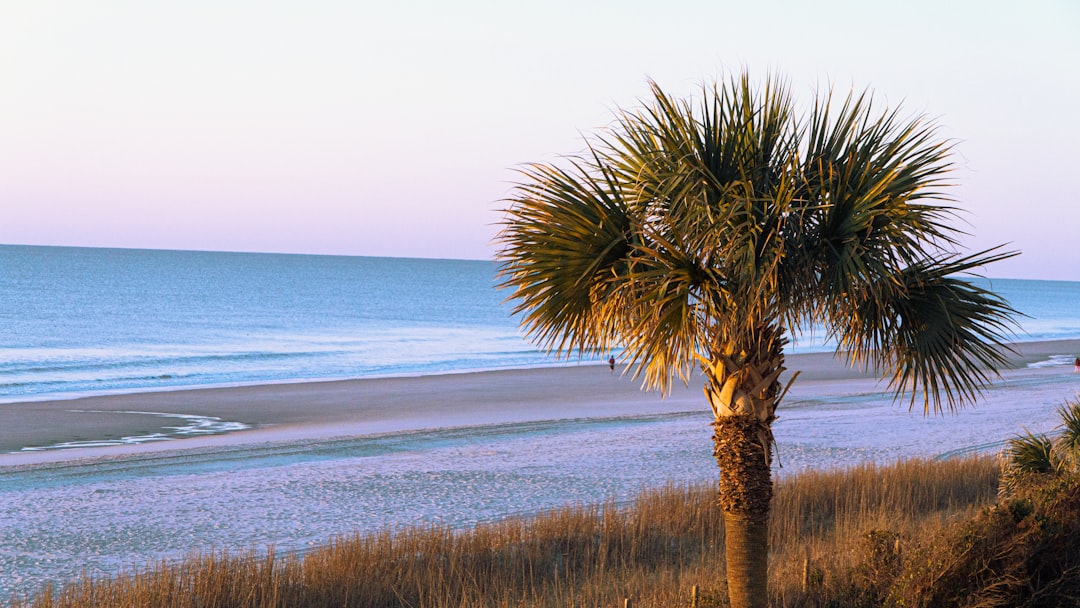
There’s a house in Avon — nice place, Sound-side, elevated on pilings, the kind of listing that photographs beautifully — where the home inspector found drywood termite frass in the master bedroom closet, the garage ceiling, and one load-bearing rafter in the crawl space. The seller had no idea. The property had been in the family for twenty-two years. Nobody noticed because drywood termites don’t announce themselves the way subterranean colonies do, with mud tubes and soft floors. They just quietly eat, from the inside out, until something fails or someone finally looks.
If you’re buying on the Outer Banks — Nags Head, Kill Devil Hills, Avon, Hatteras Village, anywhere along that 130-mile barrier strip — you need to understand that drywood termites operate differently than anything most buyers from inland markets have dealt with before. This entry is about what they are, how the coastal environment makes them worse, and what you need to have in hand before you close.
Why the Outer Banks Is Particularly Good at Growing This Problem
Cryptotermes brevis — the West Indian drywood termite, the most common offender in coastal NC — doesn’t need soil contact. It doesn’t need a moisture highway from the ground. It needs wood, warm temperatures, and enough humidity to stay comfortable, and the Outer Banks provides all three in abundance for most of the year.
The ocean air keeps relative humidity high even during dry spells. Homes are often vacant for weeks or months at a stretch, so no one notices the small piles of pellet-like frass that are the primary sign of activity. And many of the older structures — particularly in Hatteras Village and Rodanthe — were built with wood species and construction methods that predate modern pest pressure awareness. The bugs have been working undisturbed for decades in some of these houses.
New construction isn’t immune either. Drywood termites can enter through attic vents, under shingles, through cracks around window frames. Any unfinished or exposed wood on the exterior is an entry point.
What You’re Actually Looking For (Or What Your Inspector Should Be)
A standard home inspection is not a termite inspection. If the contract doesn’t call for a separate Wood Infestation Report — sometimes called a CL-100 in South Carolina, though North Carolina uses its own WDI report form — you are not getting a professional pest assessment. These are separate engagements, typically run by licensed pest control operators, not general inspectors.
When you order one, make sure the inspector goes into:
- Attic spaces (drywood termites love rafters and roof sheathing)
- All accessible crawl spaces
- Interior framing around windows and doors
- Garage ceiling joists if applicable
- Any decorative wood trim on the exterior — shutters, corbels, fascia boards
The frass itself looks like small, hard pellets — almost like coarse sand or coffee grounds — and you’ll often find it in corners, on windowsills, or directly beneath kick-out holes in the wood. It’s distinctive once you know what you’re looking at. The commentary on drywood termites as an unwelcome houseguest covers the identification side in more detail and is worth reading before your inspection walk-through.
What Treatment Costs and What It Doesn’t Cover
Fumigation — tent fumigation with sulfuryl fluoride — is the most effective treatment for a whole-structure drywood infestation. Last I checked, costs for a single-family home on the Outer Banks were running somewhere in the $1,500 to $4,500 range depending on structure size, though that number moves and you should get at least two local quotes. The process requires vacating the property for typically 48 to 72 hours.
Localized spot treatments (heat, electrocution, foam injection) cost less and are sometimes appropriate for isolated infestations, but they don’t address colonies you haven’t found yet. On a property with documented frass in multiple locations — attic and a bedroom closet, say — I’d push for whole-structure treatment before closing or a significant credit to cover it.
Here’s what treatment doesn’t do: it doesn’t repair the damage already done. Structural repairs to compromised rafters, sill plates, or window framing are separate costs, and they can run well above the fumigation bill if the infestation has been active for years. Get a structural assessment from a licensed contractor, not just the pest operator’s report, if the WDI turns up active infestation or old damage in load-bearing members.
A Note on Disclosure
North Carolina requires sellers to disclose known material defects, and a known termite infestation or past treatment history qualifies. But sellers can only disclose what they know, and plenty of these infestations aren’t known until an inspector finds them. Don’t treat a clean disclosure form as evidence of a clean house.
Insurance Doesn’t Save You Here
Standard homeowner’s policies — and this is consistent across the market, whether you’re insuring in Dare County or anywhere else on the Outer Banks — do not cover termite damage. It’s classified as a maintenance issue, not a sudden and accidental loss. There are some pest control companies that offer damage warranties as part of ongoing treatment contracts, but those have their own limits and exclusions. Worth reading carefully before you count on them.
This matters especially for buyers already navigating the full coastal insurance stack: wind and hail coverage, flood coverage (usually through NFIP or a private carrier, with deductibles that last I checked often ran 2% to 5% of insured value in coastal NC), and now the possibility of termite remediation and repair sitting entirely outside of all of it. The financial exposure can stack up fast on an older barrier island property.
If you’re already thinking through the broader insurance picture for an Outer Banks purchase, the Hurricane Preparedness Forum entry for Hatteras buyers touches on some of the wind coverage specifics that are relevant context.
Before You Make an Offer
I wouldn’t close on an Outer Banks property — especially anything more than ten or fifteen years old — without a current WDI report from a licensed North Carolina pest operator. That’s not a recommendation, that’s a floor.
Here’s what I’d build into the due diligence checklist on any coastal purchase:
- Request any prior treatment records from the seller as part of your initial document request
- Order a WDI report as a separate line item, not bundled with or substituted by the general home inspection
- Walk the attic and garage yourself during the inspection window — look for frass piles in corners and along rafter lines
- If the WDI comes back with active infestation or past evidence of treatment, get a contractor’s structural assessment before deciding whether to proceed
- Get two fumigation quotes from local operators so you know what you’re negotiating with
- Confirm that any treatment warranty offered by the seller’s pest company is transferable to a new owner, and get that in writing
The Outer Banks is a particular kind of real estate market — seasonal rental income potential, barrier island risk, aging housing stock in places like Rodanthe and Salvo, and now pest pressure that operates year-round in a way it simply doesn’t in the Piedmont or the mountains. The upside is real. So is the exposure. Go in with your eyes open, and don’t let a good listing photograph convince you the framing behind it is sound.